Window Screen Repair: A Comprehensive Guide
Window screens play an important function in maintaining a comfy indoor environment while enabling fresh air to flow into homes. They keep out bugs and particles, helping to improve indoor air quality and exposure. Regrettably, over time, screens can develop holes, tears, or other damage from direct exposure to components or unexpected incidents. This short article provides a useful exploration of window screen repair, detailing the essential tools, methods, and beneficial ideas for both DIY lovers and those thinking about professional services.
Comprehending Window Screens
Before diving into repair techniques, it is vital to understand the various kinds of window screens available:
- Fiberglass Screens: These are light-weight and resist rust, making them a popular choice. They are simple to flow and typically been available in numerous colors.
- Aluminum Screens: Tough and long-lasting, aluminum screens are more robust and resistant to damage. Nevertheless, they can be prone to deterioration.
- Solar Screens: Designed to obstruct harmful UV rays and excess heat, solar screens can assist improve energy effectiveness in homes.
- Pet Screens: Made of stronger materials, animal screens are perfect for homes with animals, as they stand up to scratches and strong impacts.
Understanding the kind of screen you have will substantially affect the repair approach you take.
Typical Types of Damage
The first action in repairing window screens is determining the type of damage. Common types include:
- Holes and Tears: Caused by weather condition wear or physical impact, these can be small leaks or larger rips.
- Rusted Frames: Frames, particularly those made from aluminum, can develop rust, jeopardizing their stability.
- Weathered Fabric: Over time, the screen material can fade or damage due to UV direct exposure.
Repair Supplies Needed
When preparing for a window screen repair, one needs a selection of tools and materials. Usually, you may require:
| Tool/Material | Purpose |
|---|---|
| Replacement Screen Material | To spot holes or change the entire screen |
| Scissors | For cutting products to size |
| Screen Frame | Needed if the initial frame is seriously damaged |
| Spline (screen binding) | To protect the screen in the frame |
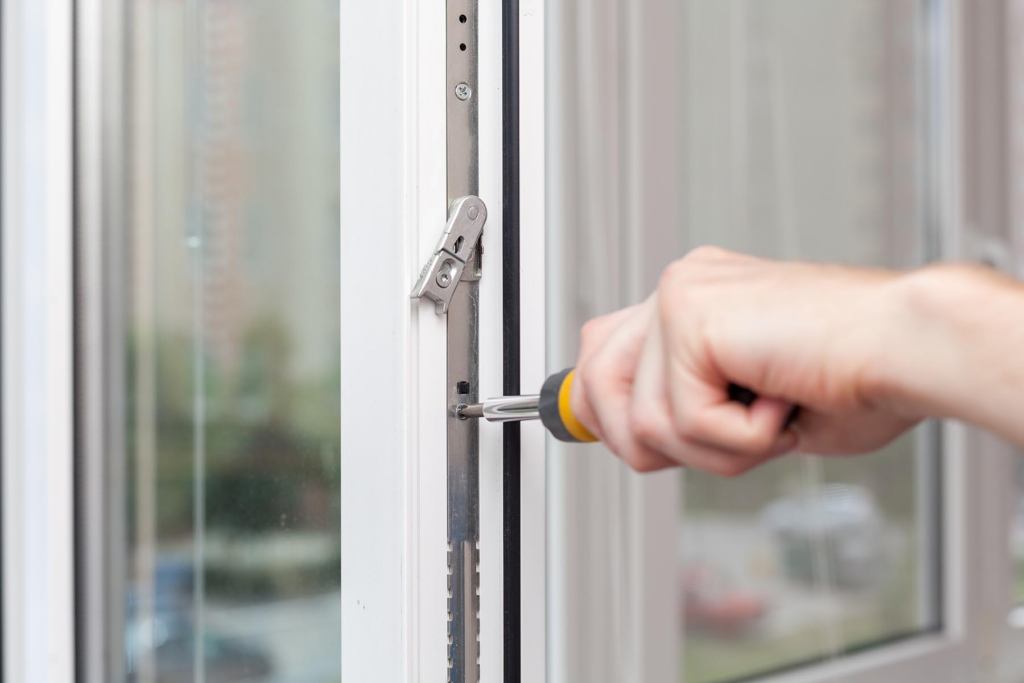
| Flathead Screwdriver | For removing screws from the frame |
| Energy Knife | For trimming excess product |
| Pliers | Useful for getting rid of old splines and securing new ones |
Do It Yourself Window Screen Repair Techniques
1. Repairing Small Holes and Tears
Small holes or tears can quickly be repaired without changing the entire screen. Here's how:
- Clean the Area: Start by cleaning up the location around the hole or tear to guarantee correct adhesion.
- Use a Patch: Cut a piece of screen product a little bigger than the hole. If you do not have replacement product, a piece of clear tape can work in a pinch.
- Apply the Patch: Securely place the spot over the damage and utilize adhesive or staples to secure it in location.
2. Changing the Entire Screen
If the damage is comprehensive, it may be more efficient to replace the whole screen. Follow these steps:
- Remove the Frame: Use a flathead screwdriver to remove any screws holding the screen frame in location.
- Eliminate Old Screen Material: Take off the old screen fabric from the frame, together with the old spline.
- Cut New Screen Material: Lay the new screen product over the frame, leaving about an inch of additional material around the edges.
- Secure the New Screen: Place the screen over the frame, protecting it using the spline, and cut the excess material with your utility knife.
- Reinstall Frame: Place the frame back into the window opening and protect it with screws.
3. Fixing Rusted Frames
Rusted frames can frequently be restored instead of being completely changed:
- Remove Rust: Use sandpaper or a rust remover to remove the rust from the frame.
- Tidy the Frame: Thoroughly clean the location before applying any protective finish.
- Apply Primer and Paint: Once the rust is eliminated, it is a good idea to apply a rust-inhibiting primer and repaint to prevent future rust.
When to Seek Professional Help
While lots of screen repair work can be dealt with as DIY tasks, there are instances when it's better to speak with a professional:
- If your window frames are structurally compromised.
- If there is comprehensive damage that could require specific repair techniques.
- When time constraints prevent a comprehensive DIY effort.
Often Asked Questions (FAQs)
Q1: Can I utilize routine fabric for window screen repair?
A1: It is recommended to utilize customized screen products as they are created to withstand weather conditions and are more long lasting than routine material.
Q2: How can I avoid my window screens from getting damaged?
A2: Regular maintenance and inspection can help. It's a good idea to clean your screens often and change any broken material promptly.
Q3: How typically should I replace window screens?
A3: Window screens can last several years with correct care. Nevertheless, after handling substantial wear or damage, especially in locations exposed to harsh weather, replacements should be thought about.
Q4: Is it possible to repair a screen with screens that have a family pet damage?
A4: Yes, using family pet screen product created to endure harder wear can be a useful service for pet-stressed screens.
Window screen repair may appear overwhelming, however with the right tools and methods, it is an achievable task for a lot of house owners. Modern Window Doctor -kept window screen can boost the aesthetics of a home while supplying necessary functions, and knowing when to DIY and when to work with professionals can conserve time, cash, and effort. By staying proactive with repairs, homeowners can lengthen the life of their screens and keep a comfy indoor space.